
To see a work of art is not always to truly look at it. The difference lies in attention: in the willingness to pause, notice relationships, and discover meaning in details that may first seem small. Persian miniature painting offers a remarkable invitation to practise this kind of seeing. Its intricate gardens, finely drawn figures, layered architecture, and carefully arranged colours reward patience. The longer we look, the more the image seems to reveal.
Persian miniature is not simply a small painting. It is a carefully composed visual world—one in which poetry, storytelling, observation, imagination, and craftsmanship meet. Across centuries, artists developed a language of line, colour, pattern, and space that could hold complex narratives within a single surface. Encountering this tradition today can remind us that beauty is not only something to admire; it is also something that teaches us how to pay attention.
Beyond the First Glance
Modern life encourages quick impressions. We scroll, scan, compare, and move on. Images appear for seconds before another takes their place. Persian miniature asks for a different rhythm. Its details are not incidental decoration. A flower, a bird, a patterned garment, or a distant building may contribute to the atmosphere and narrative of the whole composition.
This density changes the role of the viewer. Instead of receiving the image all at once, we explore it. The eye travels between figures, landscapes, architecture, and ornament. We begin to notice how individual elements speak to one another. Looking becomes an active process—an exercise in curiosity, patience, and interpretation.
A World Built from Detail
One of the most distinctive qualities of Persian miniature painting is the care with which its visual worlds are constructed. Delicate lines define forms; vivid colours create rhythm; intricate patterns enrich surfaces; and multiple scenes can coexist within a unified composition. Rather than relying only on illusionistic depth, many Persian miniatures organise space in ways that allow different moments, places, and points of attention to remain visible together.
The result is not a simple window onto a scene. It is closer to a world arranged for contemplation. The viewer is invited to move through it, discover connections, and return to details that were missed at first. This approach offers a powerful artistic lesson: complexity can be made coherent through intention, balance, and care.
Beauty as Harmony, Not Excess
Persian miniature can appear richly ornamented, yet its finest compositions are not merely crowded with detail. Their beauty depends on relationships: between colour and line, movement and stillness, figure and setting, ornament and open space. Every element must contribute to the experience of the whole.
This is an important distinction. Attention to detail does not mean adding more without purpose. It means understanding what deserves attention and how each part supports the larger vision. In that sense, the tradition offers a broader philosophy of beauty—one grounded in harmony, proportion, and meaningful choices.
Art, Poetry, and the Power of Imagination
Persian miniature developed in close conversation with literary culture, including illustrated manuscripts of epic, romantic, and mystical works. Paintings could interpret stories, evoke poetic moods, and give visual form to worlds shaped by imagination. The relationship between text and image was not simply explanatory. Artists brought their own interpretation to the story, translating language into colour, gesture, landscape, and composition.
That exchange between art and literature reveals something enduring about creativity: an artwork can do more than reproduce what is already known. It can open another way of understanding it. A scene from a poem may become a landscape of emotion; a gathering of figures may suggest a larger reflection on human nature. The image becomes an invitation to think, feel, and imagine beyond the visible.
What Persian Miniature Teaches Us About Attention
We do not need to become painters to learn from this artistic tradition. We can begin by changing the quality of our attention. To look closely at a work of art is to practise staying with something long enough for its subtleties to emerge. The same habit can enrich how we read, listen, learn, and engage with the world around us.
- Slow down. Give an object, idea, or experience enough time to reveal more than its first impression.
- Notice relationships. Meaning often emerges not from one detail alone, but from the way details connect.
- Value thoughtful craftsmanship. Care is visible in choices that may not immediately attract attention.
- Make room for interpretation. A single image or story can hold more than one meaningful perspective.
- Seek harmony. Beauty often comes from the balance between elements, rather than from any one element in isolation.
A Living Heritage, Not a Distant Memory
Persian miniature belongs to a rich and varied history, shaped by different periods, workshops, artists, and regional traditions. It should not be reduced to a single style or treated as a frozen symbol of the past. Its continuing value lies partly in the questions it can inspire today: How do we compose a meaningful visual world? How can precision coexist with imagination? How can inherited forms speak to contemporary experience?
Respecting an artistic heritage means studying its context and craft, while also allowing it to remain a source of new thought and creation. Its influence can be explored through contemporary illustration, design, visual storytelling, and other creative practices—provided that inspiration is accompanied by knowledge, care, and respect for the tradition from which it comes.
The Art of Seeing
Persian miniature reminds us that beauty often asks something of the viewer. It asks for time, curiosity, and an openness to detail. Its intricate compositions show how many elements can belong to one coherent vision, while its dialogue with poetry demonstrates the power of imagination to transform what we see.
Perhaps its most lasting lesson is simple: the world becomes richer when we learn to look more carefully. In a culture of constant movement, the act of truly seeing can itself become an art—one that reconnects us with creativity, meaning, and the quiet intelligence of craftsmanship.
At Gold & Luxe, we see heritage not as something to leave behind, but as a source of wisdom and inspiration for the ways we create and live today.
recent posts
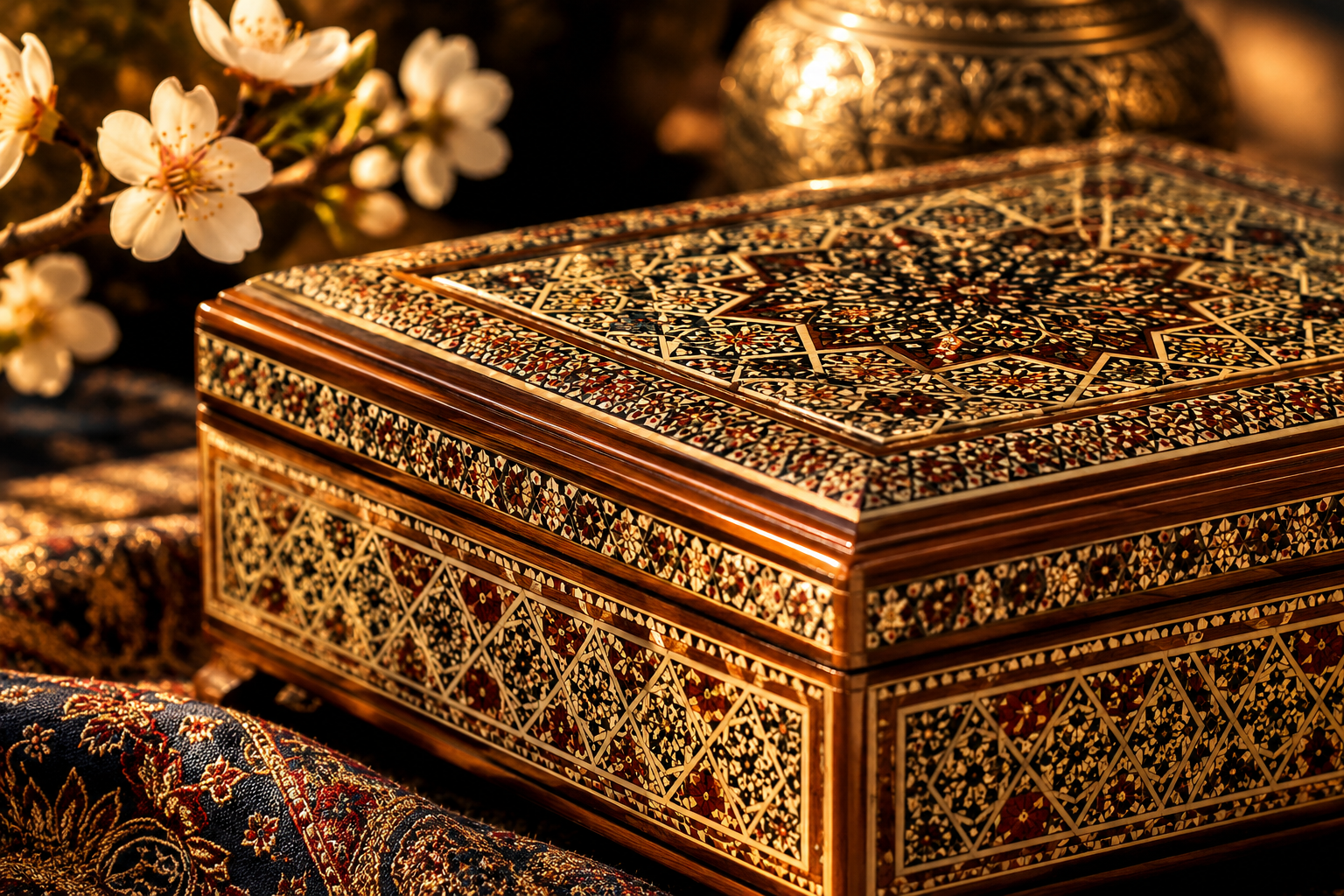
Discover khatamkari, the intricate Persian art of geometric inlay, where wood, bone, and metal become finely balanced patterns through patience, precision, and skilled craftsmanship.

What lies beyond the reality we perceive? Explore the hidden mysteries of the universe, the limits of human knowledge, and the endless journey of discovery.
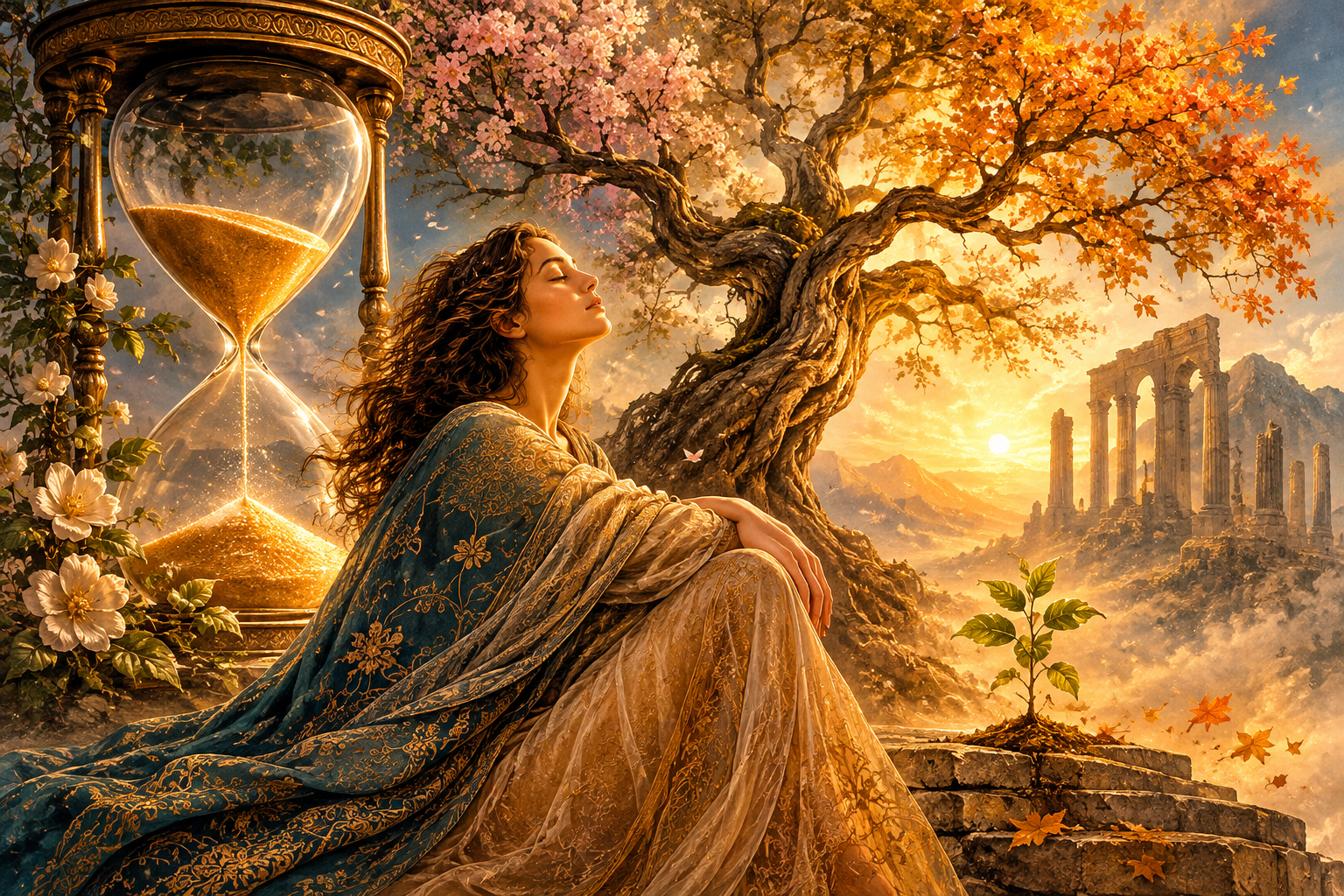
Discover why patience is more than waiting—and how time, awareness, and quiet perseverance shape a meaningful life.

Discovering the extraordinary principles of order, intelligence, and self-organization in ...

Love is more than an emotion. It is a transformative force that awakens creativity, expands awareness, and shapes who we are becoming.

Is love more than an emotion? Explore love as a human way of recognising connection, creating meaning, and nurturing life through philosophy, nature, and art.
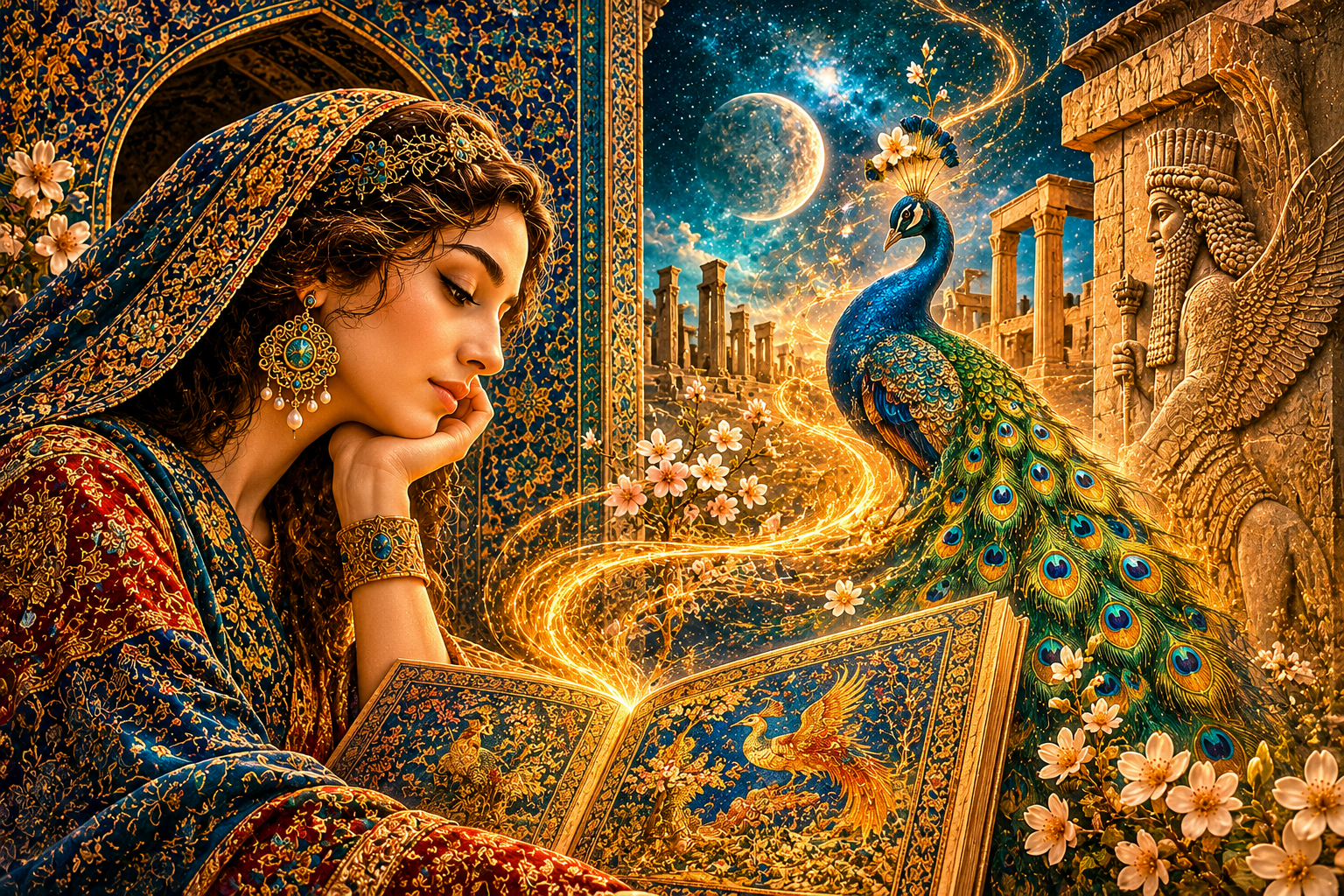
Explore the symbolic language of Persian art—from gardens and birds to miniature painting and geometric patterns—and discover how cultural meaning can inspire thoughtful contemporary design.
Explore love as an inner alchemy: a transformative force that deepens self-discovery, awakens compassion, and echoes through the mystical wisdom of Rumi.
A reflection on resilience, renewal, and the quiet courage of rising again after life's difficult chapters.