In a world that celebrates speed, the Persian garden offers a quieter kind of wisdom: a reminder that balance is not found by escaping life, but by learning how to live within it more attentively.
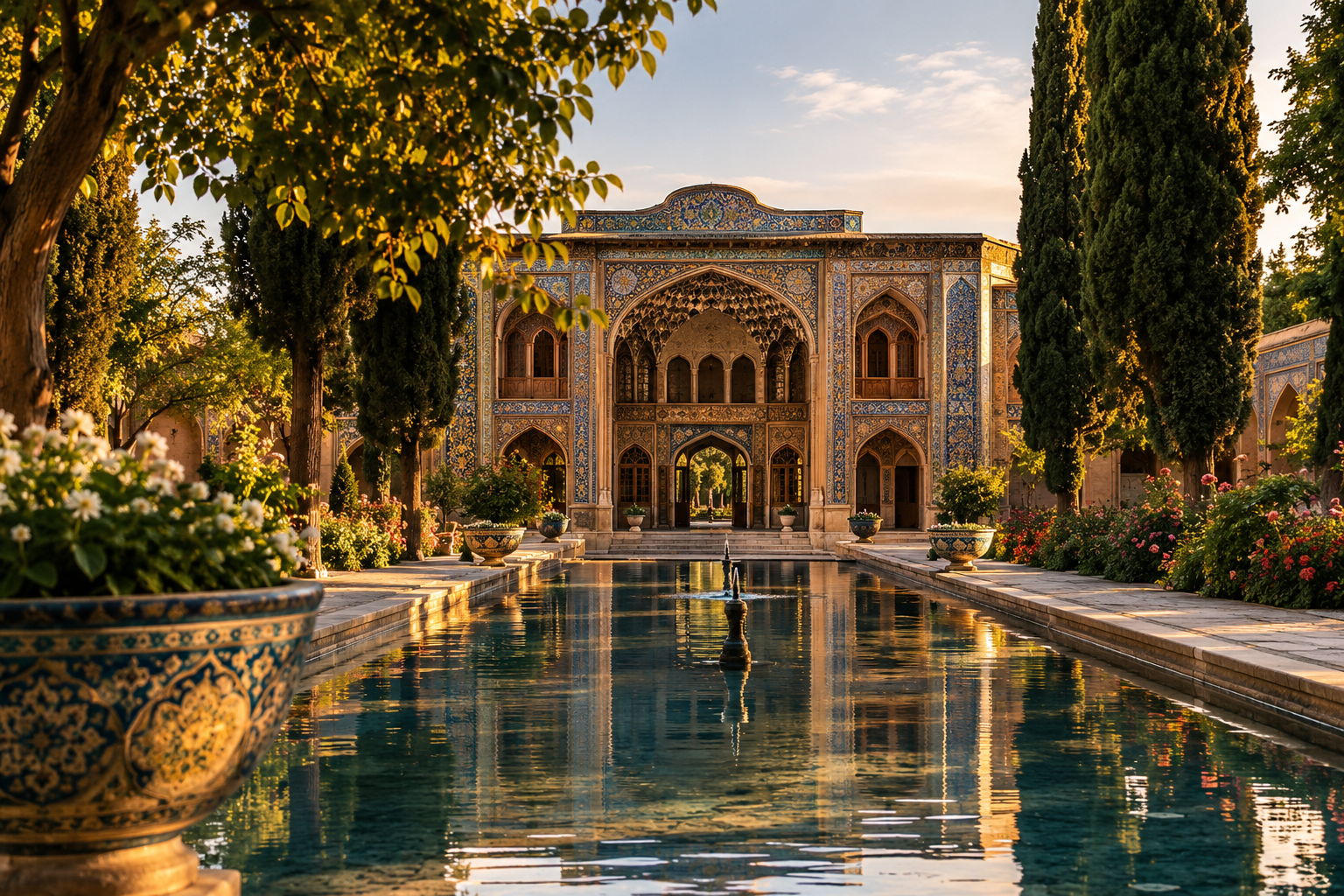
For centuries, Persian gardens have brought together water, shade, trees, pathways, fragrance, and carefully considered geometry. They are beautiful spaces, but their meaning reaches beyond appearance. A garden can become a way of understanding how human life might hold movement and stillness, structure and freedom, the natural world and the world we build.
A Garden Designed Around Harmony
The traditional Persian garden is often organized through clear pathways and geometric divisions, with water and greenery shaping the experience of the space. This order is not simply decorative. It creates a sense of orientation: a place where the eye can rest, the body can slow down, and the mind can move away from constant distraction.
Water has a particularly powerful presence. Its sound and reflection soften the surrounding architecture, while trees offer shade and a changing view through the seasons. The garden does not try to overpower nature. It gives nature a thoughtful place to be experienced.
This balance between design and the living world is one reason the Persian garden remains meaningful today. It shows how intention and restraint can work together to create beauty.
Water, Shade, and the Art of Paying Attention
In a garden, small details ask us to notice them: sunlight moving across a path, leaves shifting in the breeze, the reflection of a tree in still water, or the scent of flowers carried through the air. These moments are easy to overlook when every hour is filled with notifications, deadlines, and competing demands.
The Persian garden invites a different rhythm. It reminds us that attention is a form of presence. We do not always need a new destination or a dramatic change; sometimes we need to experience the place where we already are with greater care.
That does not mean romanticizing the past or rejecting modern life. It means recovering a human capacity that remains essential in every age: the ability to pause, observe, and reconnect with what matters.
Beauty with a Deeper Purpose
Persian art and architecture often bring together precision, symbolism, craftsmanship, and an appreciation for proportion. The garden expresses these qualities through a living landscape. Its beauty is not separate from its purpose; the arrangement of paths, plants, and water shapes how people move, gather, reflect, and rest.
In this sense, the garden offers a lesson for contemporary living. A beautiful life is not necessarily a crowded one. Thoughtful choices, meaningful rituals, and spaces that support well-being can matter more than constant accumulation. Whether in a home, a workspace, or a public place, design can serve the quality of our experience rather than simply compete for attention.
What the Persian Garden Can Teach Us Today
We may not all have access to a traditional garden, but its principles can travel into everyday life.
- Create a place to pause. A small balcony, a windowsill of plants, or a quiet corner can become a daily invitation to slow down.
- Make room for nature. Natural light, greenery, fresh air, and the sound of water can help make ordinary spaces feel more restorative.
- Choose intention over excess. A few meaningful objects or well-considered details can bring more character to a space than decoration without purpose.
- Protect moments of attention. A walk without a screen, a meal shared without rushing, or a few quiet minutes at the start of the day can restore a sense of proportion.
- Balance structure with openness. Routines can support us, but they should leave room for discovery, rest, and change.
These are not rigid rules. They are reminders that balance is created through repeated, modest choices—not achieved once and preserved forever.
A Living Heritage, Not a Distant Memory
Cultural heritage remains relevant when it continues to speak to the questions people face. The Persian garden is more than an image from the past; it is a living idea about how environments can shape our relationship with time, nature, and one another.
Its enduring appeal lies in the way it brings different elements into conversation. Water moves, yet creates stillness in reflection. Geometry offers order, while plants continue to grow in their own ways. Human craftsmanship gives form to a space, but nature keeps it alive.
Perhaps this is the garden’s most lasting insight: balance does not require every part of life to remain still. It asks us to give each part the space it needs.
Finding Your Own Garden
In a world that rarely stops, we may not be able to slow everything around us. But we can shape small places and moments that help us return to ourselves. We can notice the light in a room, care for a plant, walk beneath trees, or make our surroundings more thoughtful and humane.
The Persian garden reminds us that harmony is not an escape from the world. It is a way of meeting the world—with care, proportion, and a deeper appreciation for the life unfolding around us.
At Gold & Luxe, we explore the ways Persian heritage, art, and timeless wisdom can continue to enrich modern life. Every tradition carries more than a memory; it can offer a perspective for the present.
recent posts
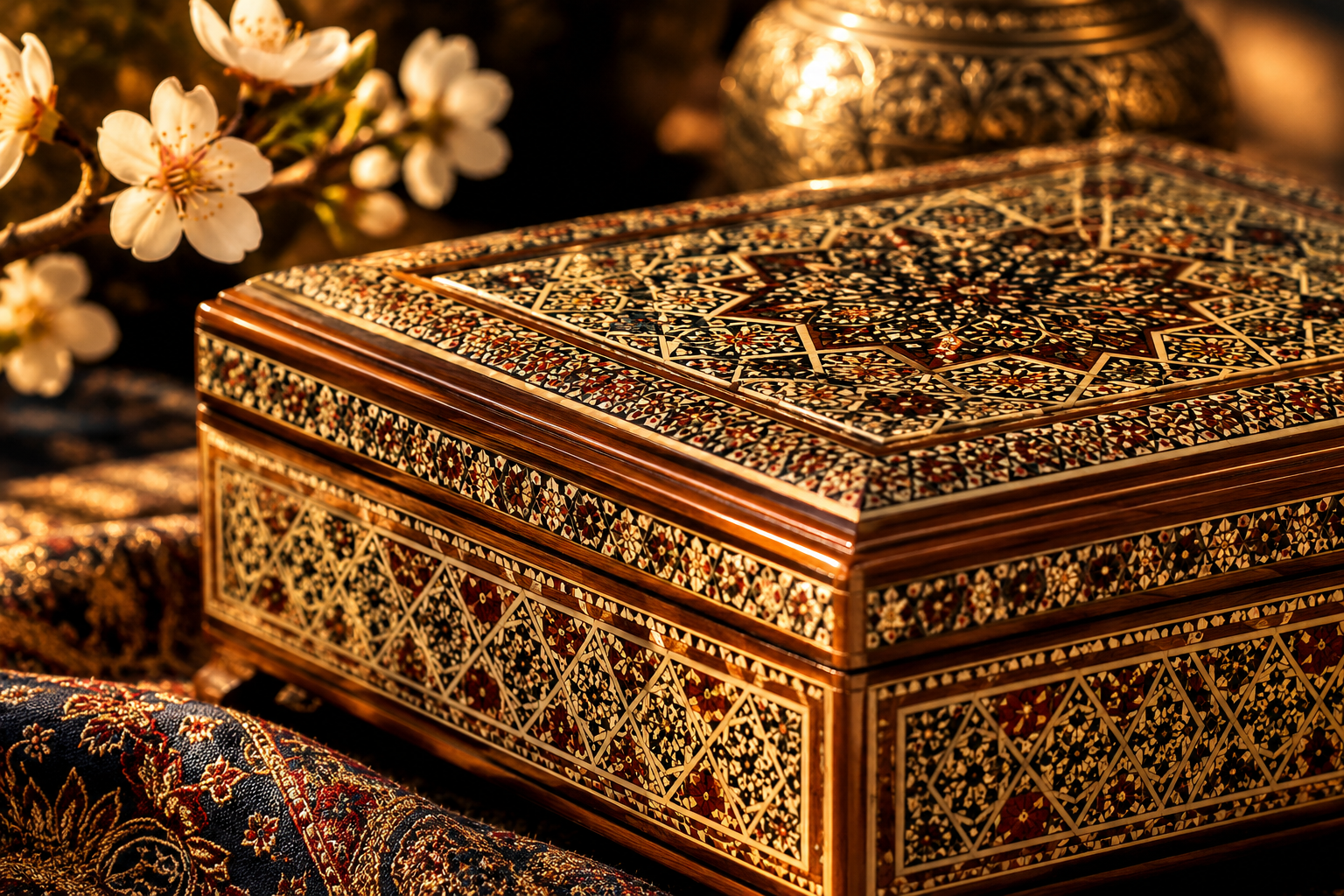
Discover khatamkari, the intricate Persian art of geometric inlay, where wood, bone, and metal become finely balanced patterns through patience, precision, and skilled craftsmanship.

What lies beyond the reality we perceive? Explore the hidden mysteries of the universe, the limits of human knowledge, and the endless journey of discovery.
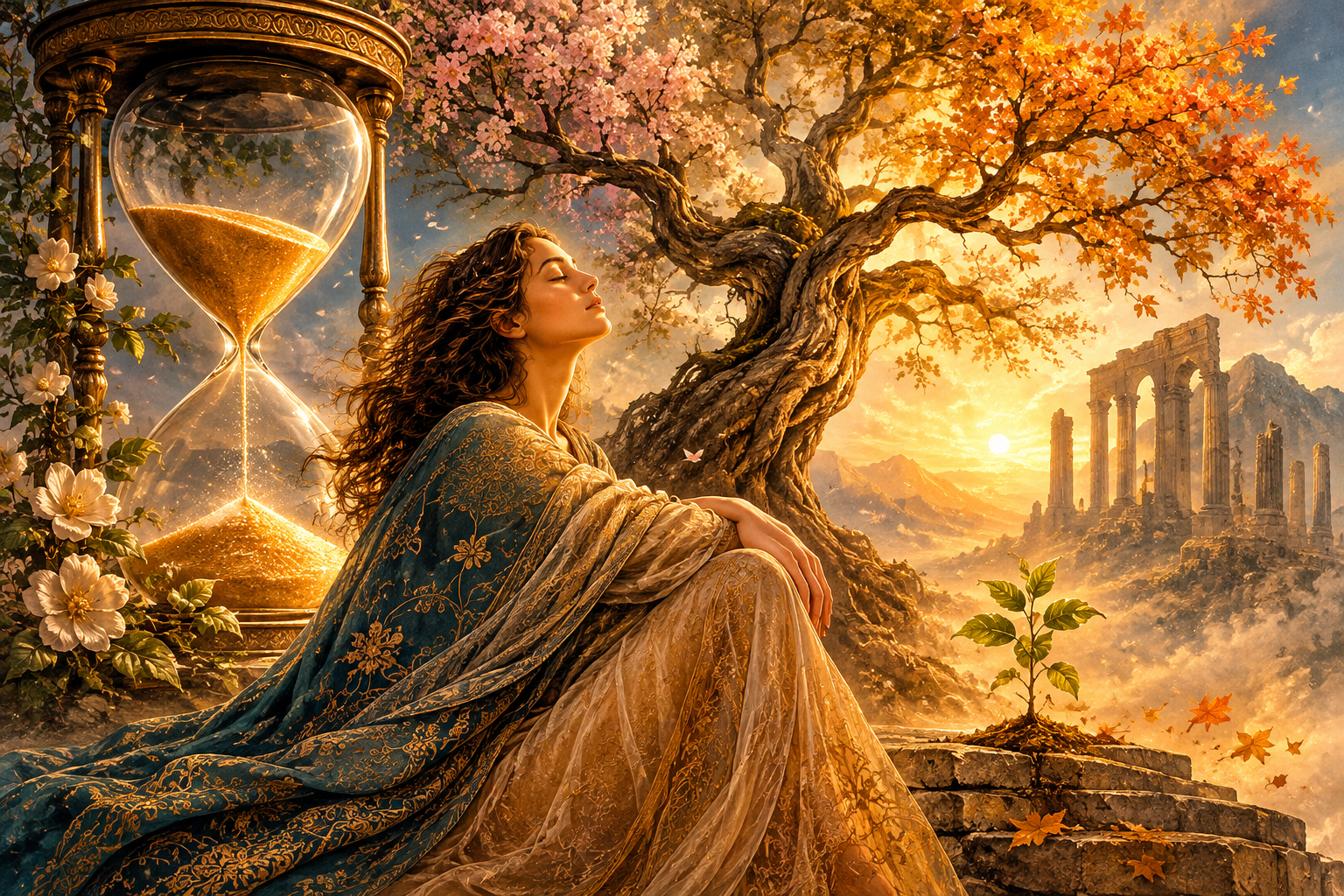
Discover why patience is more than waiting—and how time, awareness, and quiet perseverance shape a meaningful life.
Discovering the extraordinary principles of order, intelligence, and self-organization in ...

Love is more than an emotion. It is a transformative force that awakens creativity, expands awareness, and shapes who we are becoming.

Is love more than an emotion? Explore love as a human way of recognising connection, creating meaning, and nurturing life through philosophy, nature, and art.
Explore the symbolic language of Persian art—from gardens and birds to miniature painting and geometric patterns—and discover how cultural meaning can inspire thoughtful contemporary design.
Explore love as an inner alchemy: a transformative force that deepens self-discovery, awakens compassion, and echoes through the mystical wisdom of Rumi.
A reflection on resilience, renewal, and the quiet courage of rising again after life's difficult chapters.