
What does it mean to truly see? We move through the world surrounded by shapes, colours, faces, and events. Yet the first impression is rarely the whole story. A doorway may be more than an entrance; a gesture may carry more than its movement; a work of art may reveal more than the materials from which it was made. The art of seeing beyond the visible begins when attention becomes curiosity—and curiosity becomes understanding.
Seeing Is Not the Same as Understanding
Our eyes gather information quickly. They notice appearance, compare, recognise, and move on. Understanding asks for something slower: patience, context, empathy, and the willingness to look again. Two people can stand before the same painting and experience different worlds. One may notice its colours; another may sense the memory, discipline, symbolism, and human intention held within every detail.
This distinction matters far beyond art. In everyday life, we often judge a person by a brief encounter, a situation by its immediate difficulty, or a success by its visible reward. Looking deeper does not mean ignoring facts. It means refusing to mistake the first layer for the entire truth.
A Persian Heritage of Looking Deeper
Across Persian literature, poetry, architecture, and visual arts, the visible world has often been treated as a doorway to meaning. Gardens are not only arrangements of trees and water; they can suggest balance, renewal, and the relationship between humanity and nature. Geometric patterns are not merely decoration; their repetition and proportion invite the mind to contemplate order, rhythm, and infinity. In Persian miniature painting, a small space can hold an astonishingly rich world of stories, gestures, and symbolic details.
These artistic traditions encourage a particular kind of attention. They ask us to notice the relationship between parts, not only the beauty of an isolated object. A cypress tree, a flowing stream, a bird, or a patterned arch can contribute to a larger visual conversation. Meaning emerges through connection.
Wisdom in the Poetry of Rumi and Attar
The writings associated with Rumi and Attar repeatedly invite readers to move beyond surface appearances in the search for self-knowledge and truth. Their works belong to distinct poetic and spiritual traditions, yet both explore the limits of superficial judgment and the importance of inward discovery. Their enduring relevance lies not in offering a shortcut to certainty, but in asking better questions about what we value, what we fear, and what we have not yet understood.
Read in this spirit, the journey inward is also a journey of attention. We begin to recognise that our assumptions can hide as much as they reveal. The more honestly we examine our own perspective, the more room we create for compassion and insight.
Four Practices for Seeing Beyond the Surface
1. Pause before you conclude. When something attracts your attention or provokes a reaction, give yourself a moment before deciding what it means. A pause creates space between what happens and the story you immediately tell yourself.
2. Ask what you might be missing. Consider the history, circumstances, and perspective that may not be visible. In a conversation, listen for the concern beneath the words. In a difficult moment, distinguish the immediate obstacle from the wider situation.
3. Study the details and the whole. A single detail can be beautiful, but its meaning may depend on its place within a larger design. Look closely, then step back. This simple movement between focus and perspective is useful in art, work, relationships, and decision-making.
4. Let curiosity replace certainty. Curiosity does not require us to abandon our principles. It asks us to remain open to evidence, complexity, and the possibility that our understanding can grow.
When Attention Becomes a Way of Living
Seeing beyond the visible is not an escape from the real world. It is a fuller participation in it. It helps us appreciate the skill behind an object, the story behind a tradition, the effort behind an achievement, and the vulnerability behind another person’s behaviour. It also changes how we create: instead of producing things that merely attract the eye, we begin to make choices that carry intention, meaning, and care.
In a world that rewards speed and instant reactions, depth is a quiet form of strength. It asks us to give our attention rather than scatter it, to seek context rather than settle for appearances, and to recognise that understanding is something we practise.
The World Changes When We Learn to Look Again
The visible world is not empty or insignificant. It is the beginning of the conversation. A Persian garden, a line of poetry, a patterned tile, or an ordinary human encounter can become an invitation to discover what lies beneath the surface. The invitation is always there; what changes is the quality of our attention.
True wisdom begins when we learn to see beyond what the eyes can reach. And sometimes, the first step is beautifully simple: slow down, look again, and allow the world to become more than it seemed at first.
Continue in Persian: هنر دیدن فراتر از ظاهر؛ سفری از مشاهده تا درک
recent posts
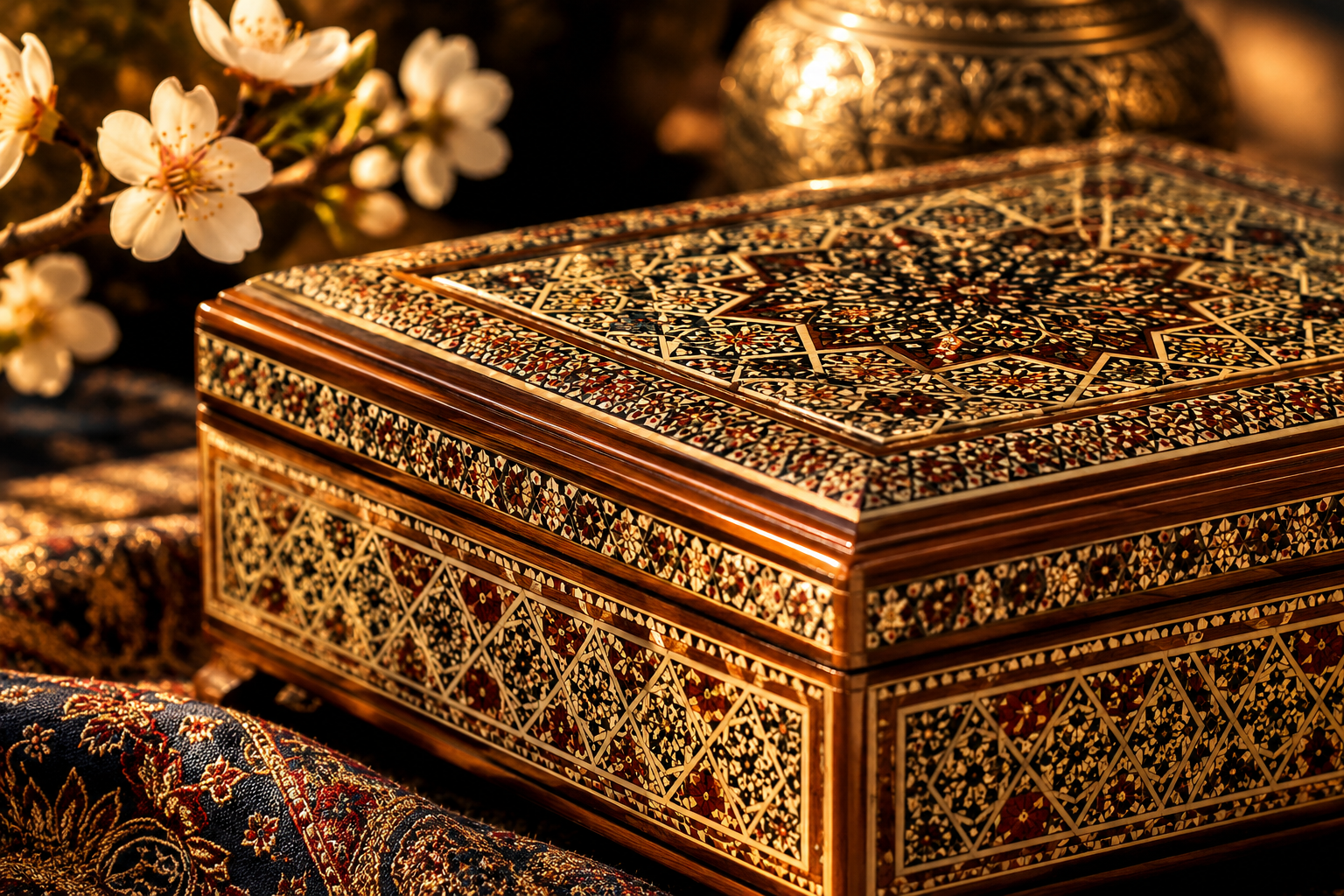
Discover khatamkari, the intricate Persian art of geometric inlay, where wood, bone, and metal become finely balanced patterns through patience, precision, and skilled craftsmanship.

What lies beyond the reality we perceive? Explore the hidden mysteries of the universe, the limits of human knowledge, and the endless journey of discovery.
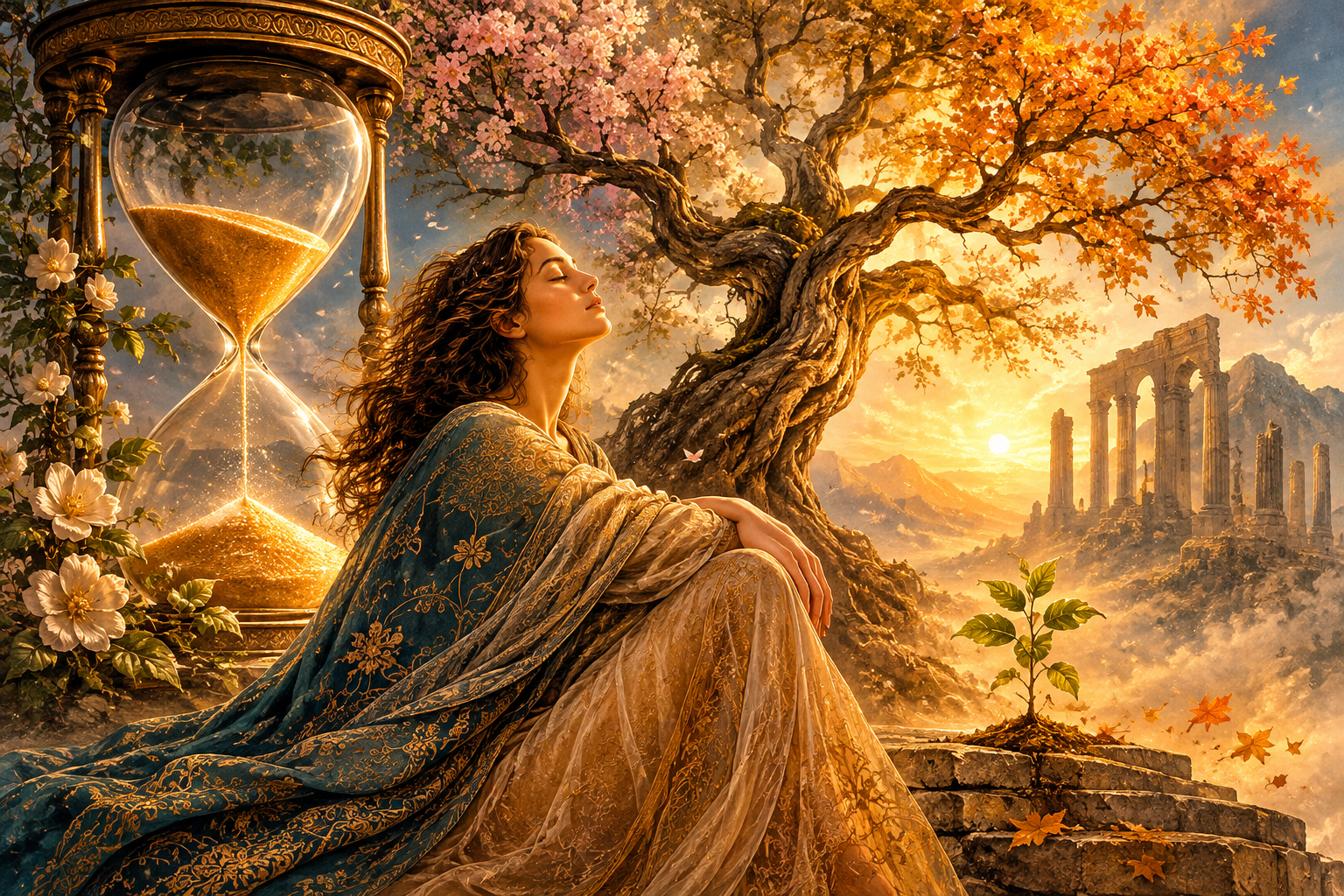
Discover why patience is more than waiting—and how time, awareness, and quiet perseverance shape a meaningful life.
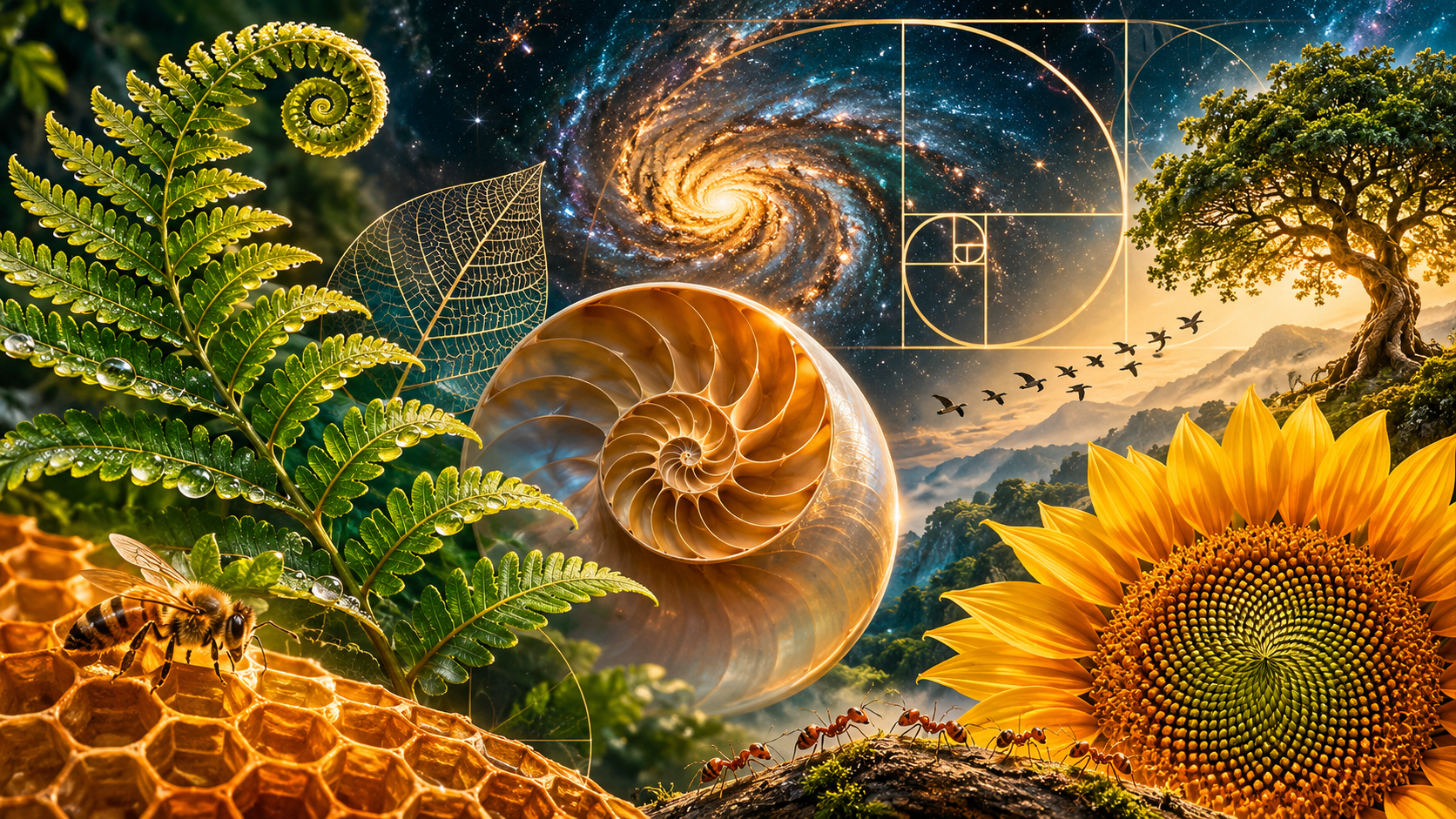
Discovering the extraordinary principles of order, intelligence, and self-organization in ...

Love is more than an emotion. It is a transformative force that awakens creativity, expands awareness, and shapes who we are becoming.

Is love more than an emotion? Explore love as a human way of recognising connection, creating meaning, and nurturing life through philosophy, nature, and art.
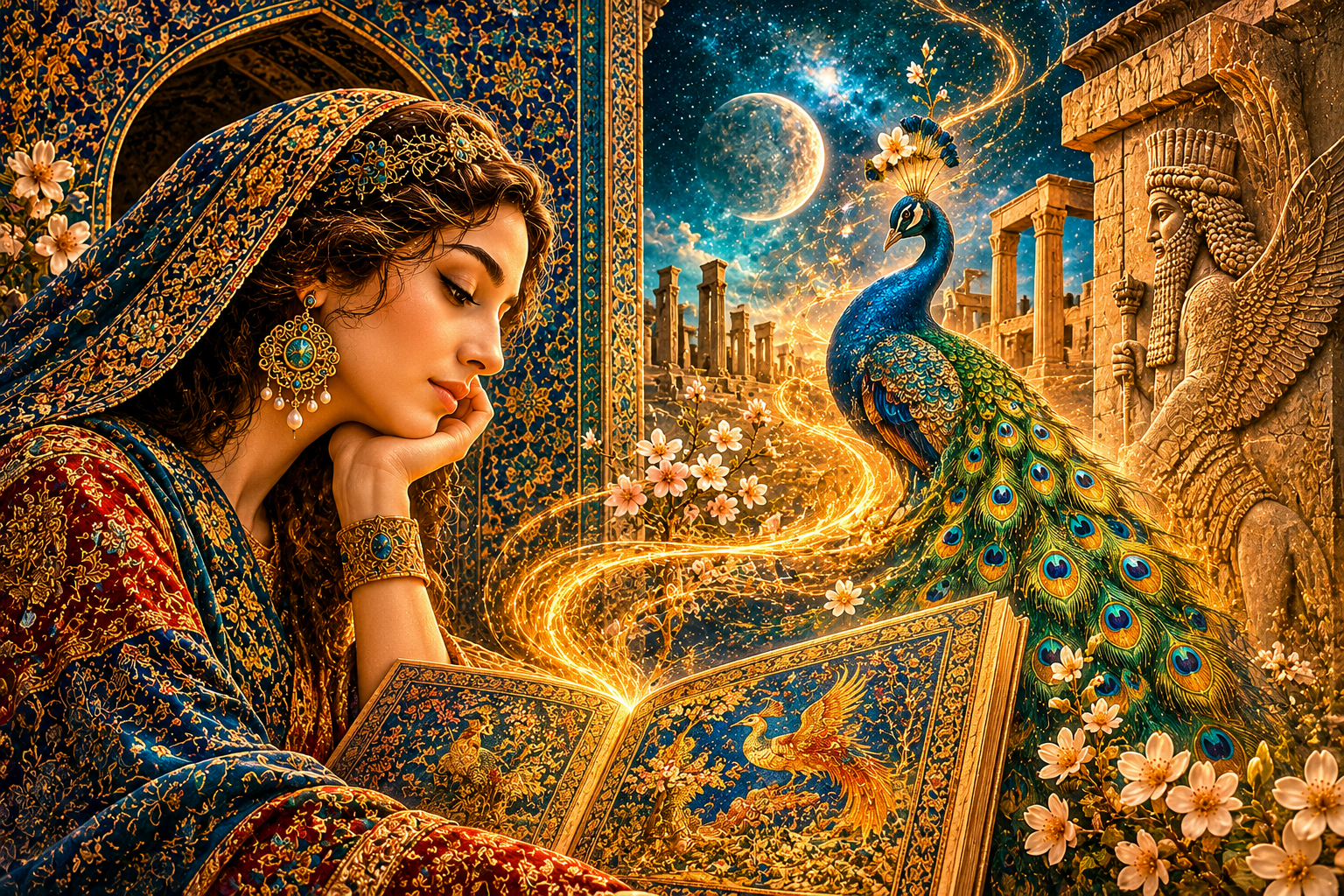
Explore the symbolic language of Persian art—from gardens and birds to miniature painting and geometric patterns—and discover how cultural meaning can inspire thoughtful contemporary design.
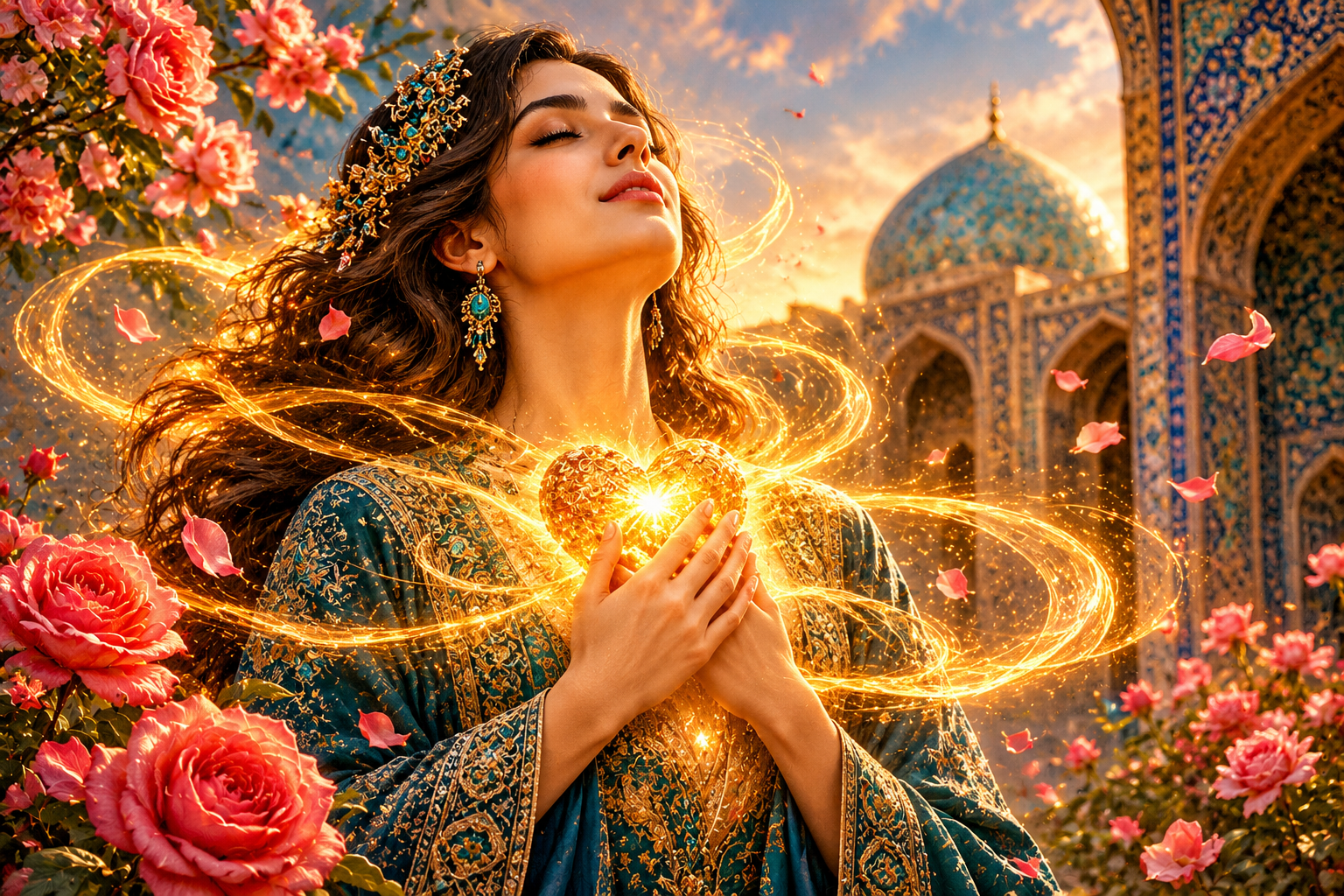
Explore love as an inner alchemy: a transformative force that deepens self-discovery, awakens compassion, and echoes through the mystical wisdom of Rumi.
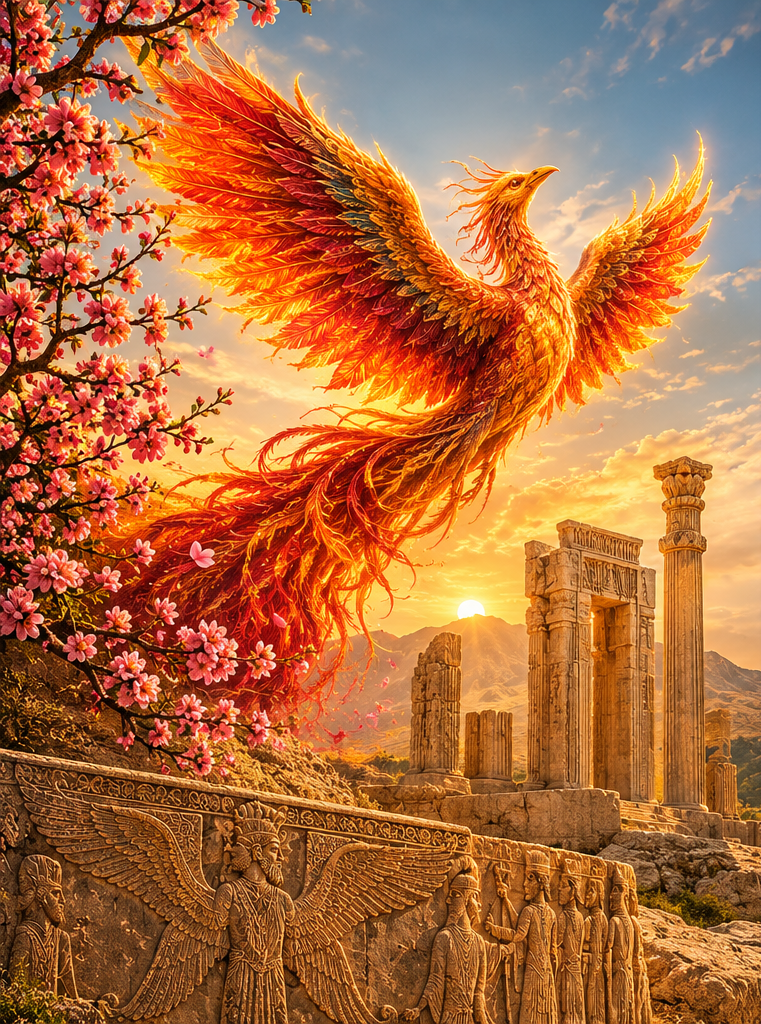
A reflection on resilience, renewal, and the quiet courage of rising again after life's difficult chapters.