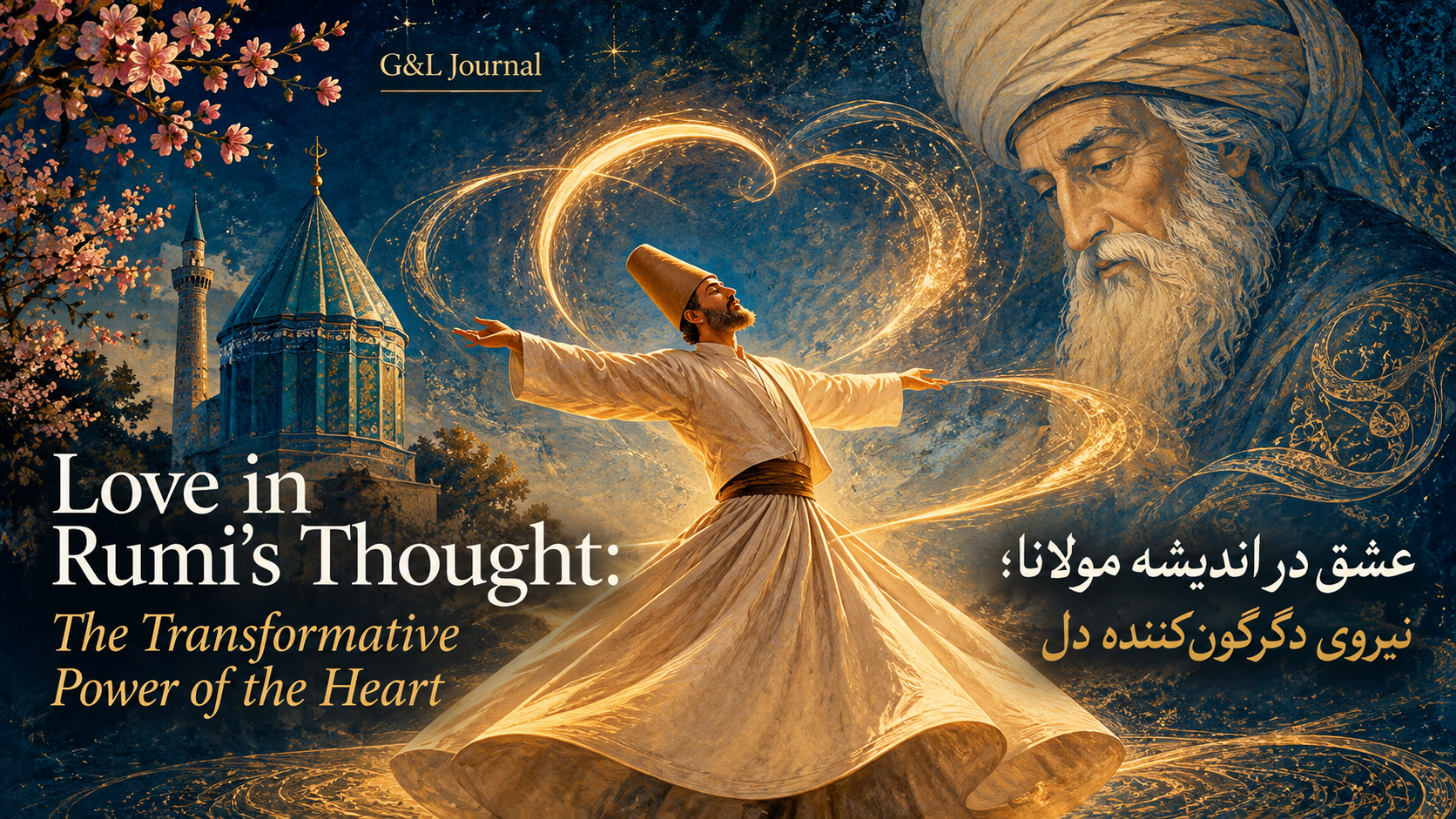
Love is not simply something we find. It is a way of becoming.
Beyond emotion, love is a journey toward self-discovery, wisdom, and a deeper understanding of existence.
Introduction: When Love Becomes a Way of Seeing
Throughout human history, love has been described in countless ways: as an emotion, a bond, a longing, and a source of inspiration. Yet in the thought of Jalal al-Din Rumi, love reaches far beyond ordinary definitions. It becomes a way of understanding life itself.
For Rumi, love is not simply something a person feels toward another. It is a transformative force that awakens the human spirit, challenges the boundaries of the self, and opens the heart to a deeper reality.
Born in the Persian-speaking world of the thirteenth century, Rumi developed a vision of love that continues to speak across cultures, languages, and generations. His poetry invites us to look beyond appearances and discover the profound connection between love, knowledge, and the human journey.
1. Love Beyond Emotion
In modern life, love is often associated with affection, relationships, and emotional attachment. These experiences are meaningful, but Rumi’s understanding of love is much wider.
He presents love as a force that can transform the way we perceive ourselves and the world around us. Love, in this sense, is not limited to possessing or being possessed. It is about becoming more open, more aware, and more connected.
To love deeply is to move beyond the narrow concerns of the individual self. It is to recognize that life contains dimensions that cannot always be understood through logic alone.
For Rumi, love is not merely an experience within life; it can become a path through which life itself is understood.
2. The Journey from the Self to Understanding
One of the central themes in Rumi’s poetry is the transformation of the self.
Human beings often build identities around their fears, ambitions, expectations, and attachments. These structures may offer a sense of security, but they can also limit our understanding of ourselves and others.
Rumi uses the language of love to describe a journey beyond these limitations. This does not mean rejecting one’s identity or losing individuality. Rather, it suggests moving beyond the ego’s constant need to control, compare, and possess.
When the heart becomes more open, a different kind of understanding becomes possible. We begin to listen rather than judge, to recognize rather than separate, and to see beyond the surface of things.
Love, therefore, becomes a form of inner education.
3. Love and the Search for Truth
For Rumi, the search for truth cannot be separated from the transformation of the heart.
Knowledge is essential, but knowledge alone does not necessarily lead to wisdom. A person may understand many things intellectually while remaining distant from compassion, humility, and genuine understanding.
Love changes the relationship between knowledge and experience. It encourages us to approach the world with curiosity rather than certainty, and with humility rather than superiority.
In Rumi’s spiritual vision, the heart is not simply the home of emotion. It is also a place of recognition, where human beings become more receptive to meanings that ordinary perception may overlook.
This is why love in his poetry is closely connected with wisdom: it does not replace understanding; it deepens it.
4. The Beauty of Imperfection and Transformation
Another important dimension of Rumi’s thought is the idea that human growth often begins with awareness of one’s limitations.
People experience uncertainty, loss, disappointment, and change. These experiences are not always welcome, yet they can become opportunities for reflection and transformation.
Rumi’s vision encourages us not to see every difficulty as the end of the journey. Sometimes, what appears to be an ending becomes the beginning of a deeper understanding.
Love teaches patience with the process of becoming. It invites us to accept that personal growth is rarely immediate or perfect. The heart becomes wiser not by avoiding every difficulty, but by learning to respond to life with greater awareness and compassion.
5. Love as a Connection Between Human Beings
Although Rumi’s understanding of love has profound spiritual dimensions, its meaning is not confined to private contemplation. Love also changes how we relate to other people.
It encourages compassion, generosity, empathy, and an awareness of our shared humanity. When we move beyond narrow self-interest, we become more capable of recognizing the dignity and complexity of others.
In a world often divided by differences, fear, and competition, this vision remains especially meaningful. Rumi’s message invites us to see connection as more than agreement. We do not need to be identical to understand one another.
Love creates the possibility of meeting beyond boundaries.
6. What Rumi Can Teach Us About Modern Life
Centuries separate us from Rumi’s world, yet many of the questions he explored remain familiar. How can we understand ourselves more deeply? How do we move beyond fear? What gives life meaning? How can we remain connected in a world that often encourages separation?
Rumi does not offer a simple formula for answering these questions. Instead, his poetry invites a change in perspective.
- Self-awareness: Understanding begins when we become willing to examine ourselves.
- Humility: Wisdom grows when we recognize the limits of our own knowledge.
- Compassion: A deeper understanding of life should make us more considerate toward others.
- Inner transformation: Meaningful change begins within, even when its effects extend into the world.
- Connection: Human beings can discover common ground beyond differences.
These principles make Rumi’s vision relevant not only as a spiritual philosophy but also as a reflection on how to live with greater depth and purpose.
Conclusion: Love as the Art of Becoming
For Rumi, love is far more than a passing emotion. It is a journey that transforms the heart, expands awareness, and brings human beings closer to a deeper understanding of themselves and existence.
His poetry reminds us that the most meaningful journeys are not always measured by distance or achievement. Some begin with a question, grow through experience, and lead toward a more generous way of seeing the world.
Perhaps the enduring power of Rumi’s thought lies in this invitation: to approach life with an open heart, to seek wisdom beyond appearances, and to allow love to transform not only what we feel, but also who we become.
Love, in this sense, is not simply something we find. It is a way of becoming.
G&L Journal — Exploring the ideas, wisdom, and cultural heritage that continue to shape our understanding of life.
recent posts

Discover khatamkari, the intricate Persian art of geometric inlay, where wood, bone, and metal become finely balanced patterns through patience, precision, and skilled craftsmanship.
What lies beyond the reality we perceive? Explore the hidden mysteries of the universe, the limits of human knowledge, and the endless journey of discovery.
Discover why patience is more than waiting—and how time, awareness, and quiet perseverance shape a meaningful life.
Discovering the extraordinary principles of order, intelligence, and self-organization in ...
Love is more than an emotion. It is a transformative force that awakens creativity, expands awareness, and shapes who we are becoming.
Is love more than an emotion? Explore love as a human way of recognising connection, creating meaning, and nurturing life through philosophy, nature, and art.
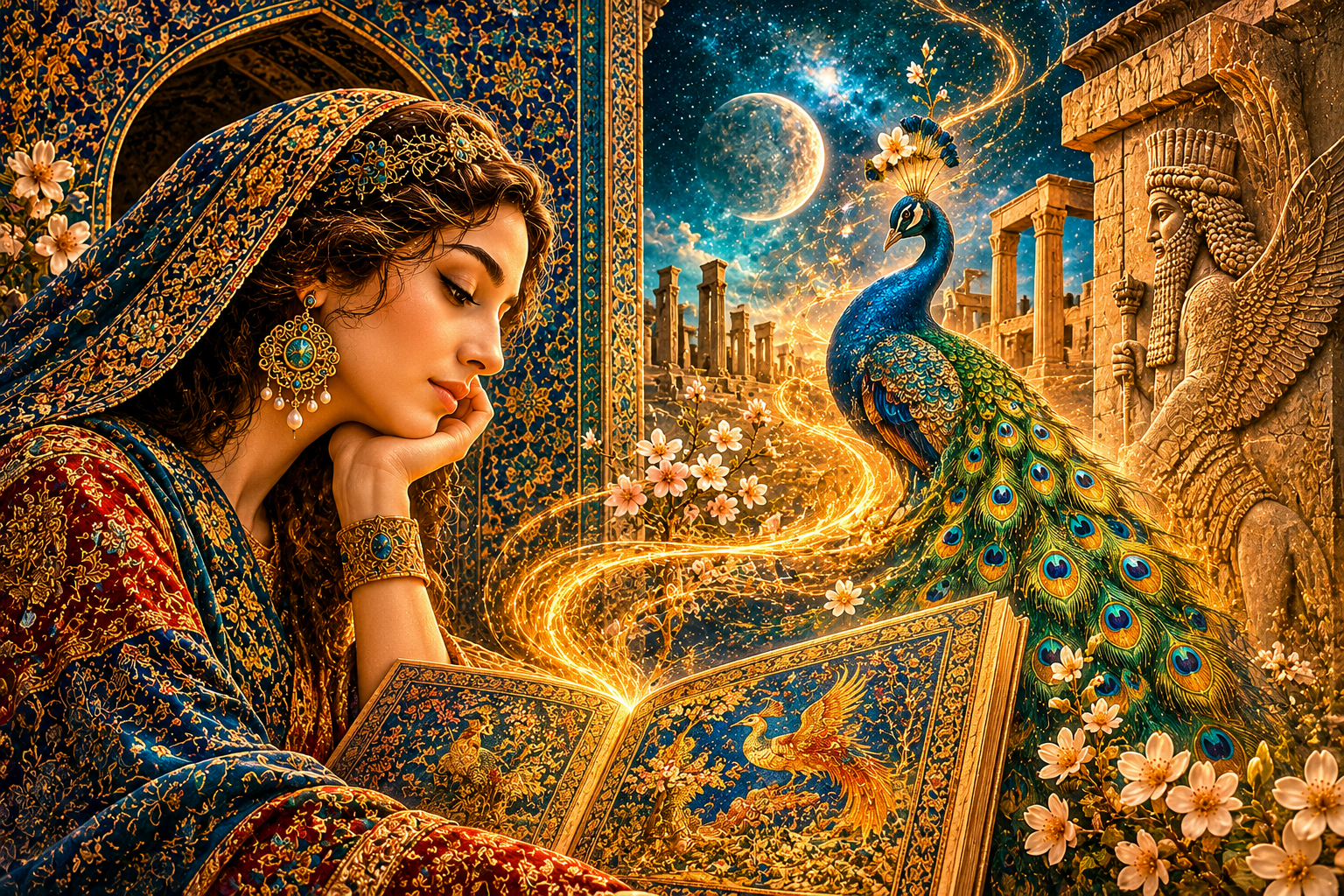
Explore the symbolic language of Persian art—from gardens and birds to miniature painting and geometric patterns—and discover how cultural meaning can inspire thoughtful contemporary design.
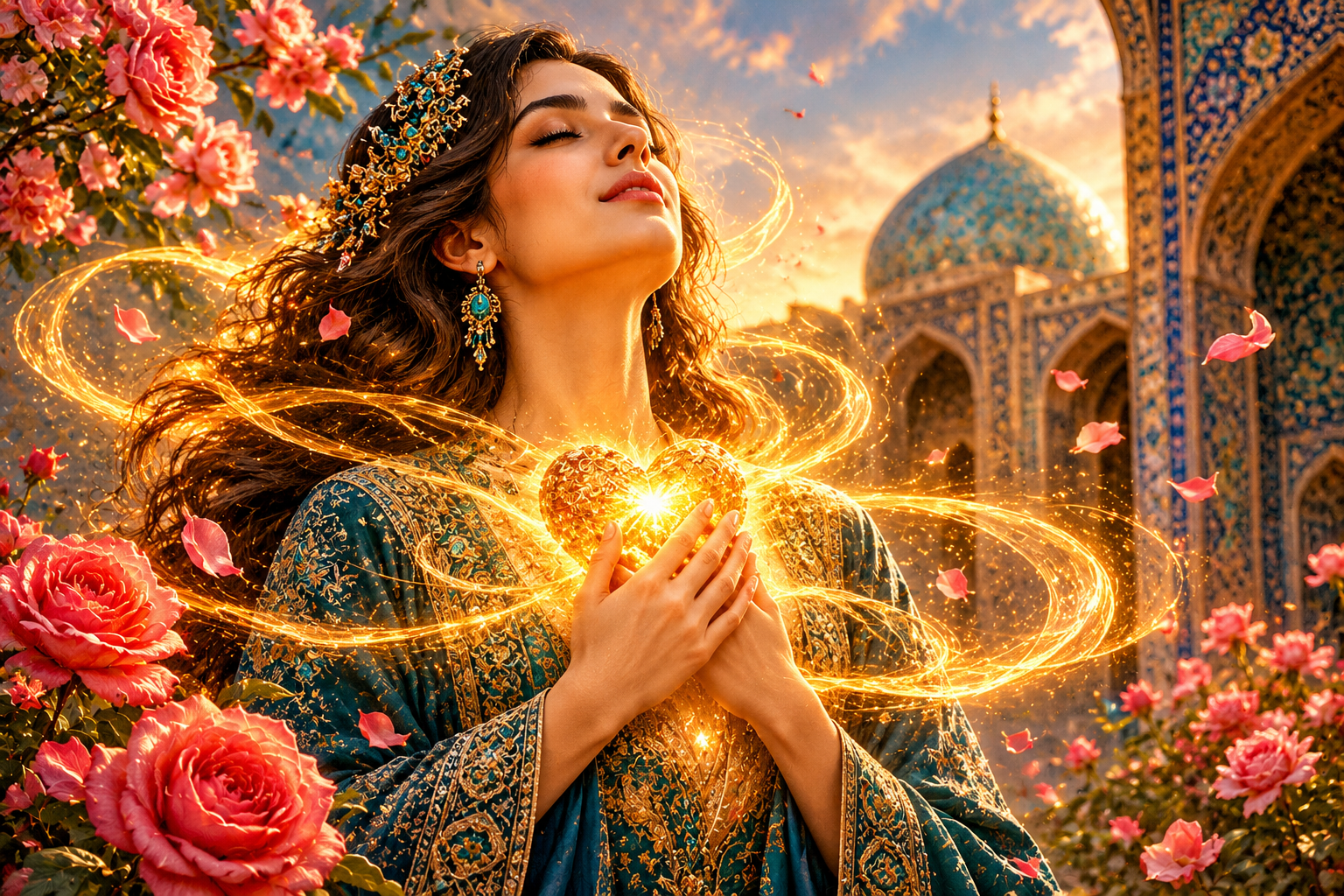
Explore love as an inner alchemy: a transformative force that deepens self-discovery, awakens compassion, and echoes through the mystical wisdom of Rumi.
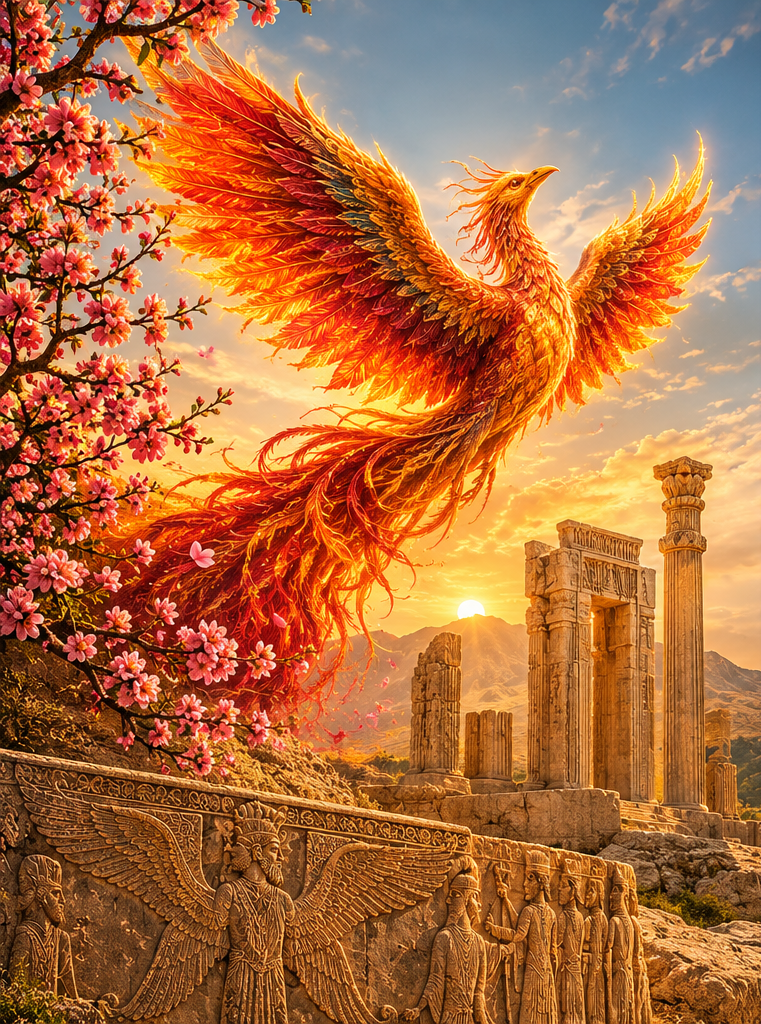
A reflection on resilience, renewal, and the quiet courage of rising again after life's difficult chapters.